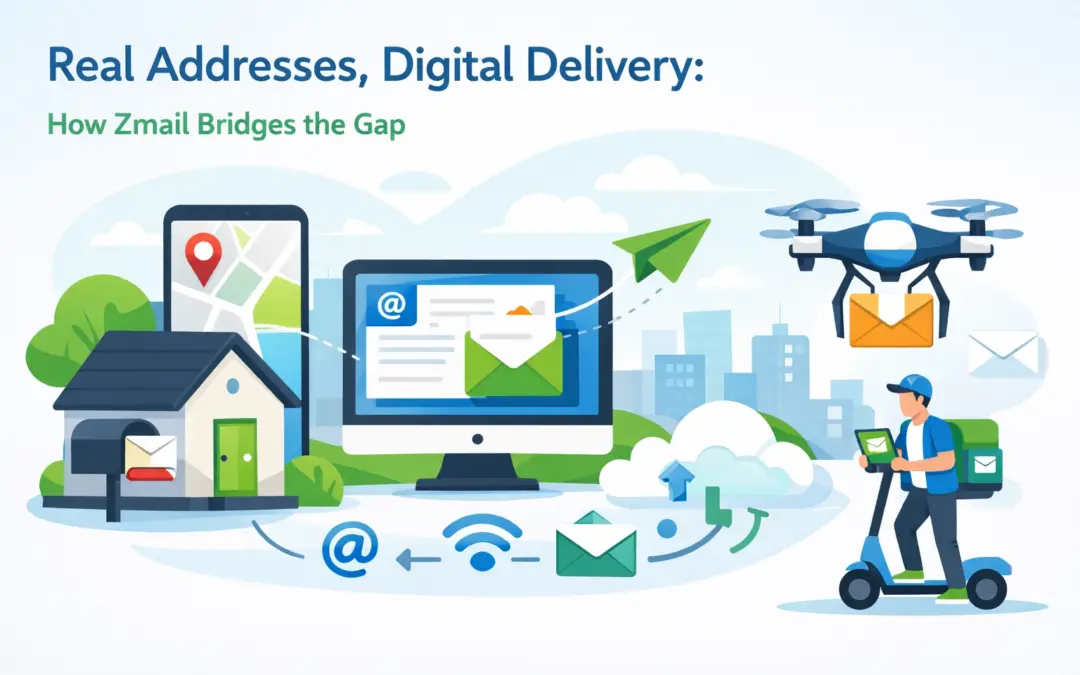
There's a massive problem with how businesses communicate with customers right now. And it's costing you time, money, and customer satisfaction.
Here's the issue: traditional mail is expensive and slow. Email is fast but risky for sensitive documents. And customer portals? They're where engagement goes to die.
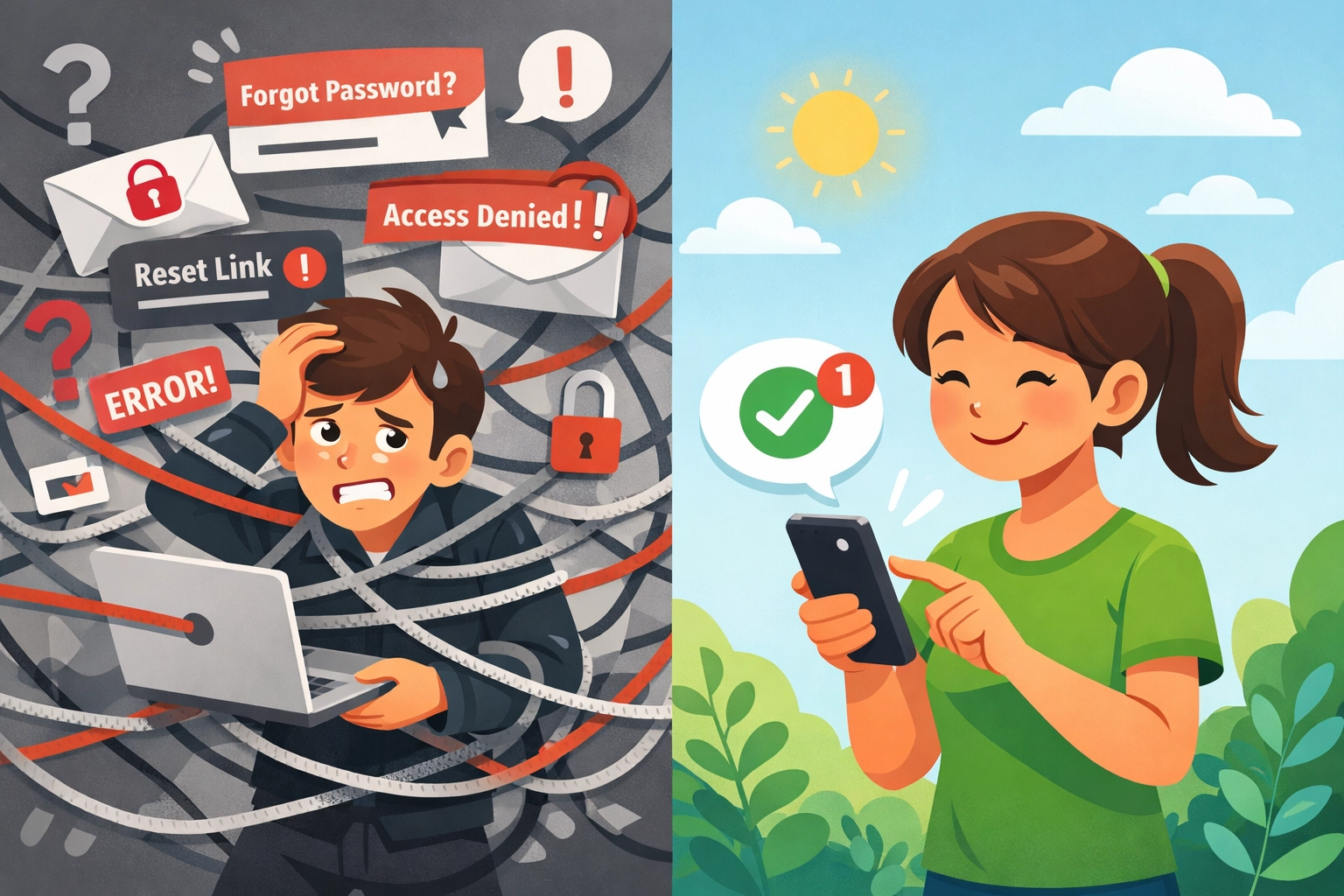
Your customers hate remembering passwords. They hate logging into yet another portal. They hate navigating confusing dashboards just to download a bill or statement. The average person has 100 passwords to remember and they're done adding another one to the list.
Meanwhile, you're stuck between a rock and a hard place. You need to send statements, bills, tax documents, and legal notices. The law requires certain documents to go to a physical mailing address. But printing, stuffing envelopes, buying postage, and dealing with undeliverable mail is draining your budget and your team's sanity.
What if there was a better way?
The Postal Address Revolution You Didn't See Coming
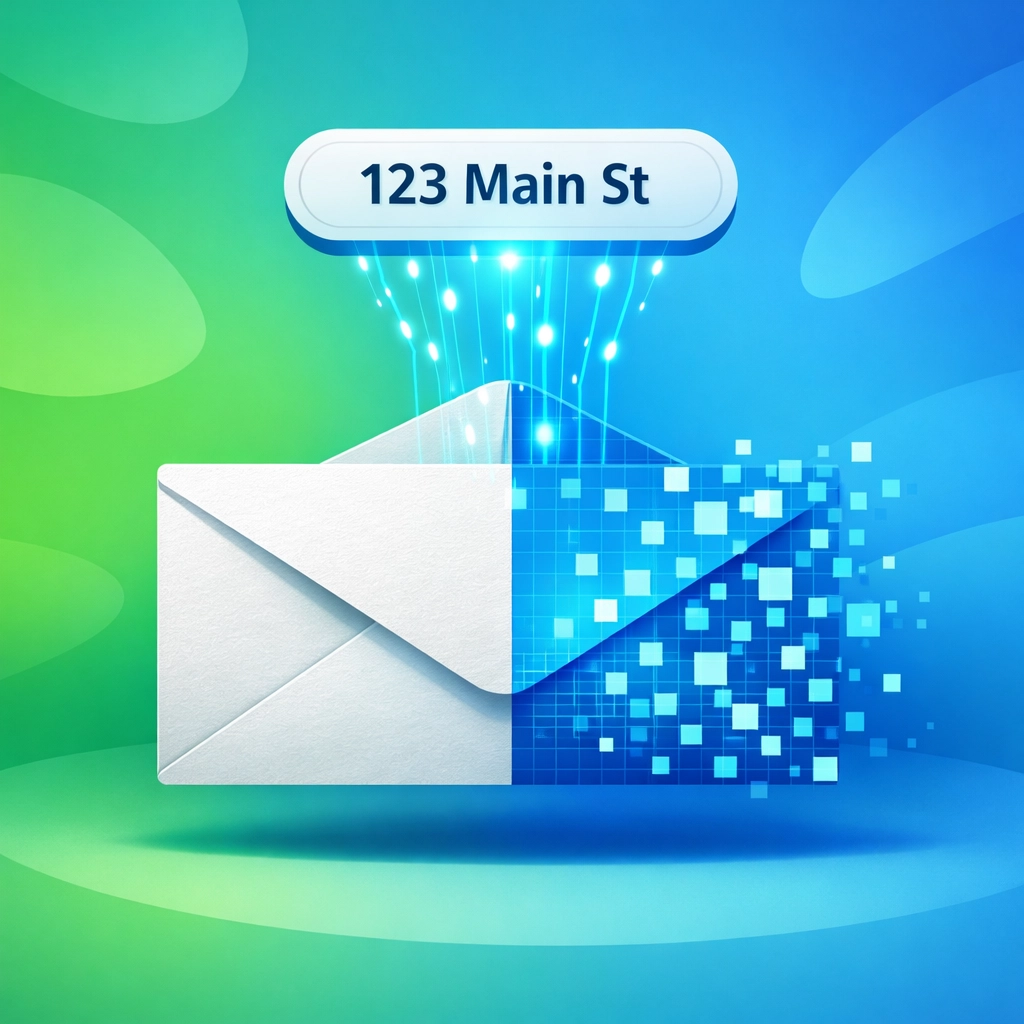
Zipinmail's Zmail platform solves the impossible puzzle: how to use physical mailing addresses in a completely digital world.
Here's the breakthrough: Zmail uses the same physical addresses your customers already have: but delivers documents digitally. No email address required. No portal login required. No app download required.
Think about that for a second. You're sending to 123 Main Street, not john.smith@email.com. The address-based system is patented, secure, and frankly, genius in its simplicity.
It looks like email. It functions like email. But it transmits data using a verified physical mailing address instead of bouncing through countless email servers where anyone could potentially intercept your customer's sensitive information.
This isn't just clever: it's compliant. Banks, credit unions, legal firms, and government agencies can finally meet their mailing requirements without spending a fortune on paper, printing, and postage.
Why Your Current System Is Bleeding Money
Let's talk numbers because this is where it gets painful.
Traditional mail costs add up fast:
- Paper and printing
- Envelope materials
- Postage (currently $0.73 for a standard letter)
- Labor for stuffing and sorting
- Return mail processing
- Storage for physical records
A single mailed statement can cost anywhere from $1.50 to $3.00 when you factor in everything. Now multiply that by thousands of customers every month.
Zmail cuts those costs by 90%. Not 20%. Not 50%. Ninety percent.
For a business sending 10,000 statements per month at $2 each through traditional mail, that's $20,000 monthly or $240,000 annually. Switch to Zmail and you're looking at $24,000 per year instead. That's $216,000 back in your budget.
And here's the kicker: your customers get free permanent storage for all their documents once they sign up for their Virtual Mailbox. They never lose a statement. They can access everything from their phone, tablet, or computer. All organized. All searchable. All secure.
The No-Portal Experience Your Customers Actually Want

Customer portals seemed like a good idea fifteen years ago. They're not anymore.
The average adoption rate for customer portals sits around 30-40%. That means 60-70% of your customers never even use the thing you spent thousands building and maintaining.
Why? Because portals create friction.
Your customer gets a bill. They need to:
- Remember they have a portal
- Remember the website URL
- Remember their username
- Remember their password (or reset it for the 12th time)
- Navigate the interface
- Find the right document
- Download it
- Save it somewhere they won't lose it
That's eight steps when there should be one.
With Zmail's Virtual Mailbox, here's the customer experience: They get a text and email notification. They click once to sign up. Done. From that moment forward, every document you send appears in their Virtual Mailbox automatically. No login required after initial setup. No hunting. No frustration.
The adoption rate? Significantly higher because you've removed every possible point of friction.
Security That Actually Protects Your Business
Regular email is a security nightmare for sensitive documents. Your message bounces through multiple servers, any of which could be compromised. Email was never designed for banking statements, medical records, or legal notices.
That's why financial institutions don't push sensitive documents through email. They know better.
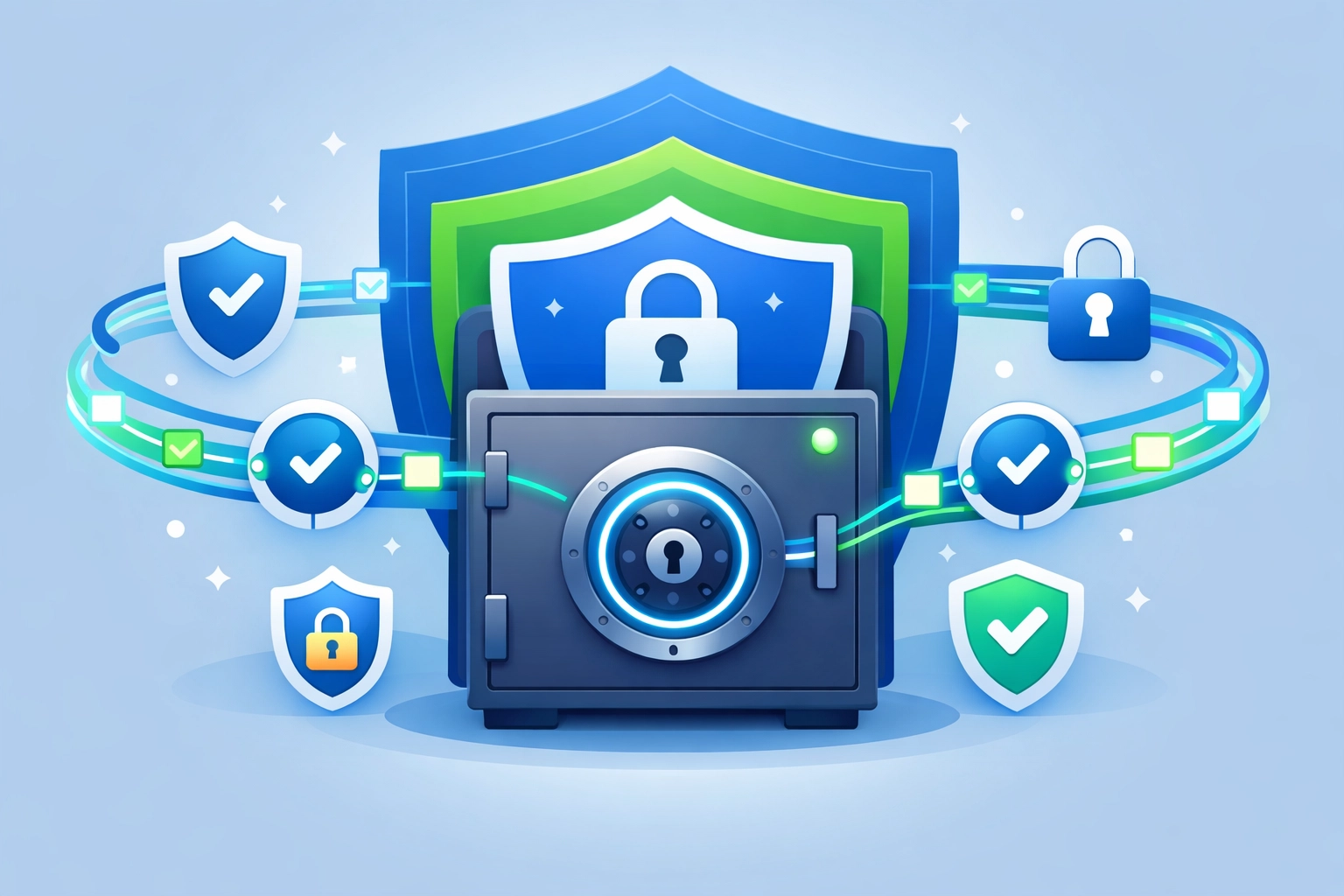
Zmail's Virtual Mailbox is built differently:
- Paid and verified platform (not open like email)
- Encrypted transmission from sender to recipient
- Enclosed system with controlled access
- Audit trails and compliance features built in
For businesses handling sensitive information: banks, credit unions, HR departments, payroll services, insurance companies, law firms, CPAs: this level of security isn't optional anymore. It's mandatory.
The platform meets all legal and compliance requirements for document delivery to physical addresses. You stay compliant. Your customers stay protected. And you sleep better at night knowing you're not one data breach away from a lawsuit.
How It Actually Works (The Simple Version)
The technology is sophisticated. The user experience is dead simple.
Here's the full process:
For your business:
- Purchase a minimum of 1,000 Zmail credits (they never expire)
- Upload your documents and recipient addresses
- Send through the Zmail platform
- Track delivery, read receipts, and confirmations
For your customers:
- Receive a text and email invitation
- Click once to sign up for their Virtual Mailbox
- Receive all future documents automatically
- Access everything from any device, permanently stored for free
That's it. No complicated integration. No months-long implementation. No training your entire team on complex software.
And here's what makes the pricing model honest: Zmail isn't free for businesses. There's a 1,000 Zmail minimum purchase. Why? Because real value: real security, real compliance, real infrastructure: costs money to deliver properly.
Those "free" solutions you see advertised? They're either selling your customer data, cutting corners on security, or they'll hit you with surprise fees later. Zipinmail's pricing is transparent from day one.
Who Benefits Most From Address-Based Digital Delivery?
This isn't a solution for everyone. It's specifically built for organizations that have legal, compliance, or security requirements around document delivery.
Banks and credit unions need to send statements to verified addresses while cutting costs dramatically.
Payroll and HR departments must deliver pay stubs, tax documents, and benefits information securely.
Legal and accounting firms have strict requirements around client communication and document retention.
Insurance companies, mortgage servicers, and escrow offices deal with time-sensitive documents that must be properly delivered and tracked.
Universities and government agencies need to serve large populations while managing tight budgets.
Any business currently spending thousands on paper mail while watching customer engagement drop can benefit immediately.
If you're in any of these categories, the question isn't whether Zmail makes sense. The question is how much longer you can afford to wait.
The ROI Is Obvious. The Timing Is Now.
Here's what we know for certain: Paper-based communication is dying. Not slowly. Quickly.
Postage rates keep climbing. Paper costs keep climbing. Labor costs keep climbing. Your customers' patience keeps declining.
Meanwhile, address-based digital delivery is proven technology solving real problems for real businesses right now. The 90% cost savings are measurable. The security improvements are documented. The customer satisfaction boost is immediate.
Zipinmail's Virtual Mailbox platform bridges the gap between what compliance requires and what modern business demands. Real addresses. Digital delivery. Secure transmission. Permanent storage. No portals. No passwords. No problems.
The businesses moving to this model today are building competitive advantages that will compound over years. The businesses waiting are accumulating costs and frustrations that will become harder to justify every quarter.
Ready to see how much your organization could save? Book a 10-minute demo and let's run the numbers for your specific situation. The gap between old and new is only getting wider. Which side will you be on?